How to Prevent Permanent Loss of Your Digital Assets
In crypto, there is no “forgot password” button. Every year, billions of dollars in digital assets become permanently inaccessible on the blockchain.
Not because of hackers.
Not because of sophisticated scams.
But because of simple human errors.
Becoming your own bank is an incredible freedom.
Without a method, it’s also a ruthless system.
In this article, we’ll explore how crypto gets lost, where the real risks lie, and what you need to do today to keep your assets safe for good.
Why “lost” crypto is lost forever
In the physical world, if you lose your wallet, someone might find it and return it.
If a bank makes a mistake, a transaction can be reversed.
In crypto, money doesn’t disappear in the sense that it ceases to exist.
It remains on the address, fully visible to anyone.
Everything depends on your private key.
Imagine your crypto locked in a transparent vault: everyone can see it, but only your unique key can open it.
Lose that key, and you lose the mathematical proof that these assets belong to you.
Without it, you are just an observer of your own wealth.
The most common crypto mistakes
1. Sending crypto on the wrong network
A classic: you send USDT to your exchange, but the address only supports ERC-20, and you accidentally choose BEP-20 to save on fees.
Result: the blockchain validates the transaction, but your exchange doesn’t see it.
2. Neglecting your seed phrase
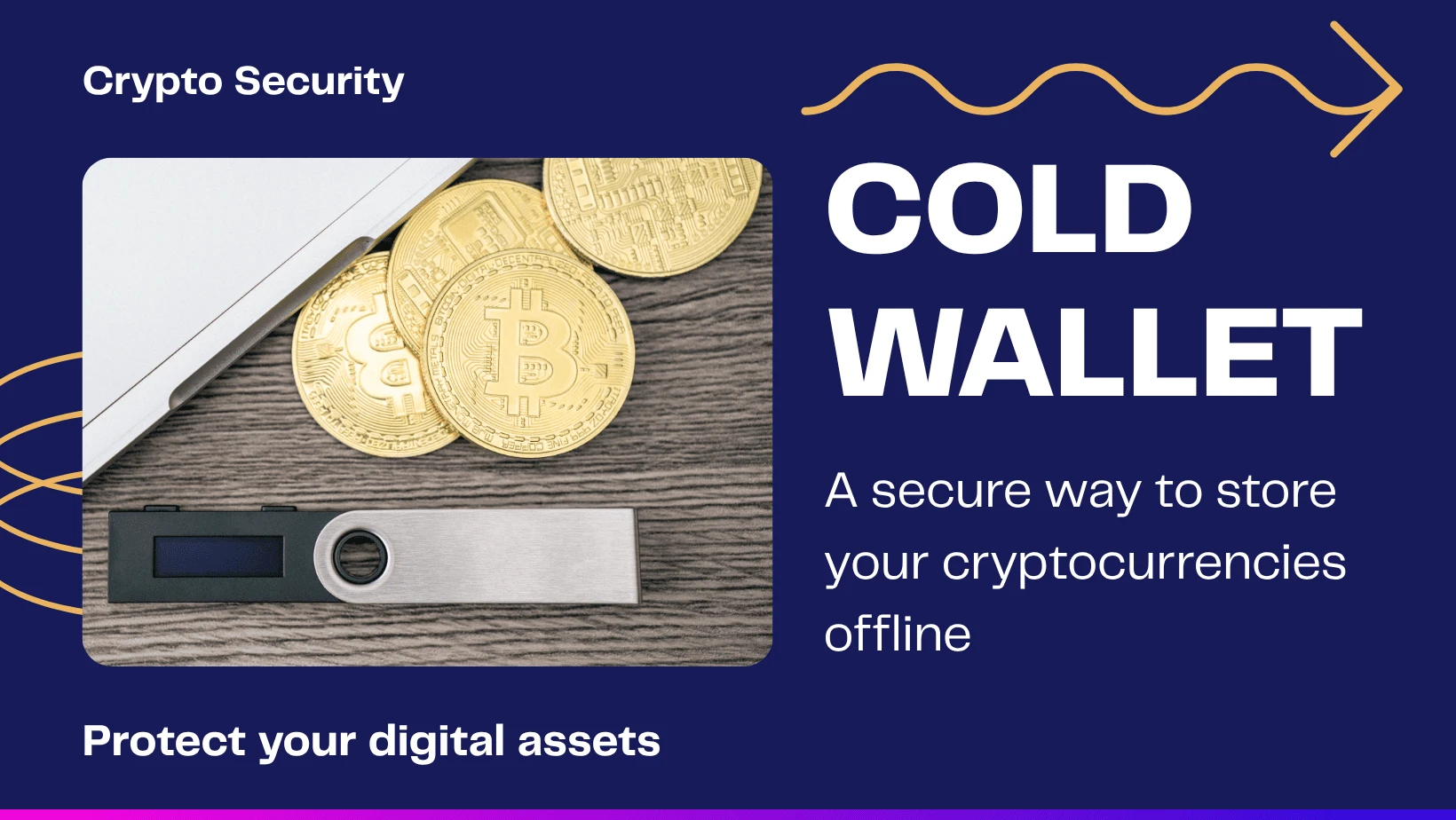
Your 12 or 24 words are everything that protects your funds.
Taking a photo or storing them on your phone compromises them.
Solution: use engraved metal plates (steel wallets). Fireproof, waterproof, and resistant to accidents.
3. Connecting to shady contracts
In DeFi, signing a smart contract can give full access to your wallet.
Always verify the authenticity of a site or airdrop before clicking “Claim.”
4. Typing addresses manually
One typo and your crypto disappears forever.
Always use copy-paste, and verify the first and last four characters of the address.
Can lost funds be recovered?
No, if you’ve lost your key or sent funds to the wrong address.
So-called recovery services are often scams.
Exception: if funds are on an exchange, or if a hack can be traced to an exchange capable of freezing the assets.
Digital inheritance: planning for after
If your keys exist only in your head or on unknown paper, your crypto becomes inaccessible after your death.
- Instruction letter: never put your seed phrase in a will. Leave a letter explaining where wallets and metal plates are stored.
- Multi-sig: use a system where 2 out of 3 keys are needed to access the wallet (you, a trusted relative, and a lawyer).
The blockchain doesn’t forgive, but you can be foolproof
Crypto gives you financial freedom.
That freedom requires vigilance and method:
- Double-check every step before sending funds.
- Protect your seed phrase as if your life depends on it.
- Prepare a secure inheritance plan.
The blockchain doesn’t forgive mistakes, but it rewards those who master the rules of the game.
Don’t become another statistic.
Be rigorous, and your crypto will stay in your hands.