Since the collapse of FTX in late 2022, one phrase has become central to the crypto space:
Not Your Keys, Not Your Crypto
In 2025, this rule has never been more relevant.
FTX was not an isolated accident it was a structural warning.
The FTX shock: a brutal reminder
When FTX collapsed, millions of users discovered an uncomfortable reality:
their funds were frozen, inaccessible, and in some cases permanently lost.
The reason was simple: private keys were held by the exchange, not by users.
Even in 2024 and 2025, despite improved regulation, the risk has not disappeared:
- centralized platform failures
- temporary withdrawal freezes
- regulatory investigations
- legal and political pressure
What does “Not Your Keys, Not Your Crypto” really mean?
In crypto, the private key represents ownership.
- Whoever controls the private key controls the funds
- A custodial exchange holds the keys on your behalf
- You own a claim, not the asset itself
If you don’t control the private keys, you don’t truly control the crypto.
Custody vs Self-Custody: the key difference
Custody (exchanges, platforms)
- Easy to use
- Familiar interfaces
- Reliance on a third party
- Risk of freezes, insolvency, or seizure
Self-custody (personal wallets)
- Full control over funds
- Systemic risk resistance
- Native to crypto principles
- Personal responsibility
- Irreversible loss in case of mistakes
Why exchanges are still widely used
Not everyone wants to manage a seed phrase.
In 2025, many investors:
- prioritize convenience
- treat crypto as a financial asset
- accept a trade-off between security and ease of use
The issue is not using exchanges.
The issue is leaving all your funds on them.
Who is self-custody for?
Self-custody is particularly suited for:
- long-term holders
- significant amounts
- users seeking full sovereignty
It can take different forms:
- mobile wallets for small balances
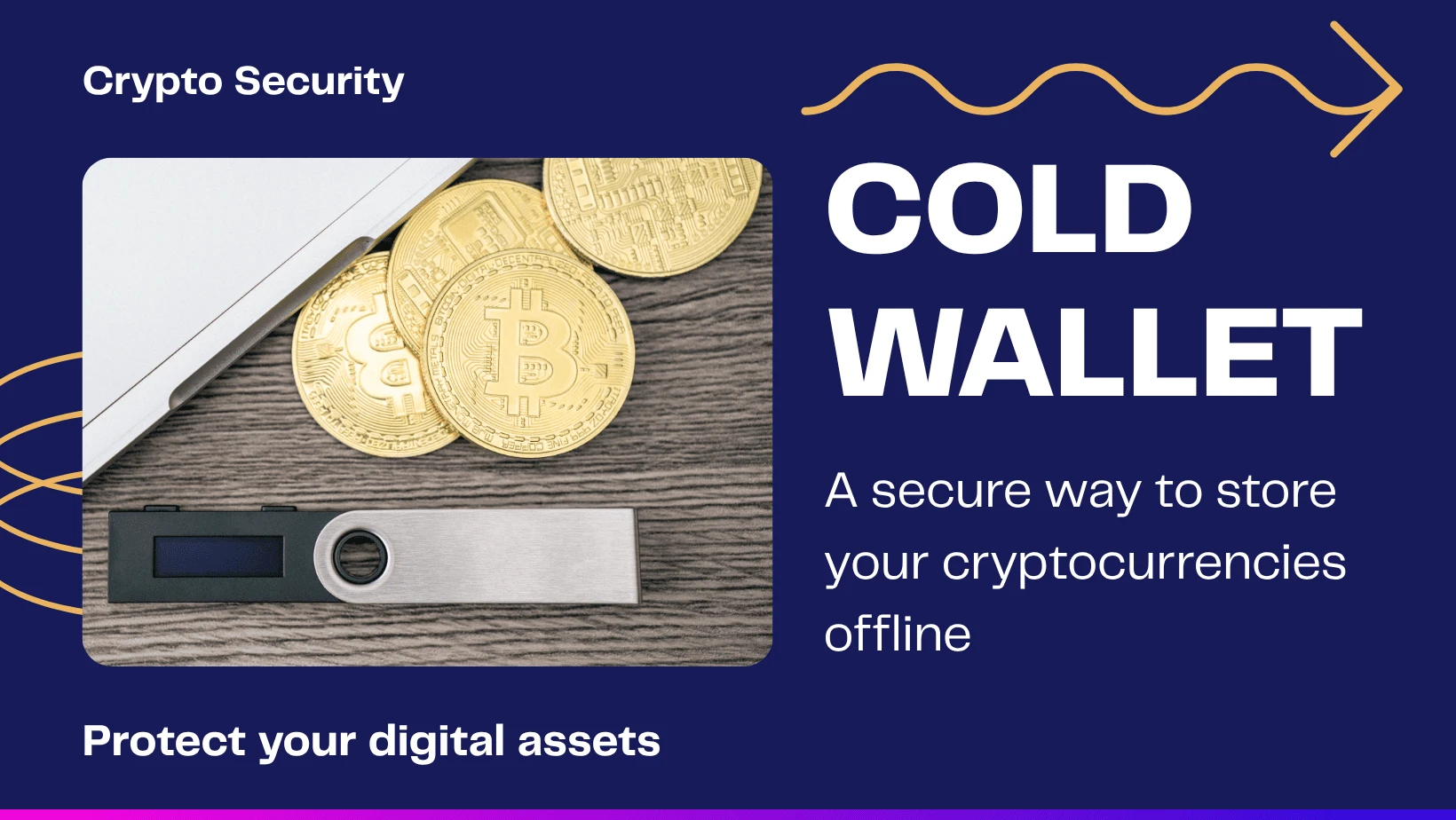
- hardware wallets for long-term storage
- multisignature setups for advanced users
The real risk in 2025
Today, the threat goes beyond bankruptcy.
Key risks include:
- sudden regulatory decisions
- administrative freezes
- centralized platform attacks
- dependence on a single jurisdiction
Self-custody acts as systemic insurance.
Exceefy best practices
- Never leave 100% of your funds on an exchange
- Separate active trading from long-term storage
- Use wallets where you control the private keys
- Store seed phrases offline
- Test with small amounts first
Conclusion
FTX marked a turning point.
The real risk is failing to learn from it.
Not Your Keys, Not Your Crypto is not an extreme slogan.
It is a fundamental risk management principle.
At Exceefy, the goal is not ideology it’s long-term investor protection.